



Best tools for graphic design
SEO META BLOCK
- Title: Top 12 Best Tools for Graphic Design in 2026 – Boost Your Creativity
- Meta Description: Discover the 12 best graphic design tools of 2026, compare features, pricing, and ROI. Find the perfect app for freelancers, agencies, and teams.
- URL Slug: best-tools-graphic-design-2026
- Primary Keyword: best tools for graphic design
- Secondary Keywords: graphic design software 2026, design tools comparison, AI‑powered design apps, affordable design tools, professional graphic design suite
- Search Intent: Informational / Commercial investigation
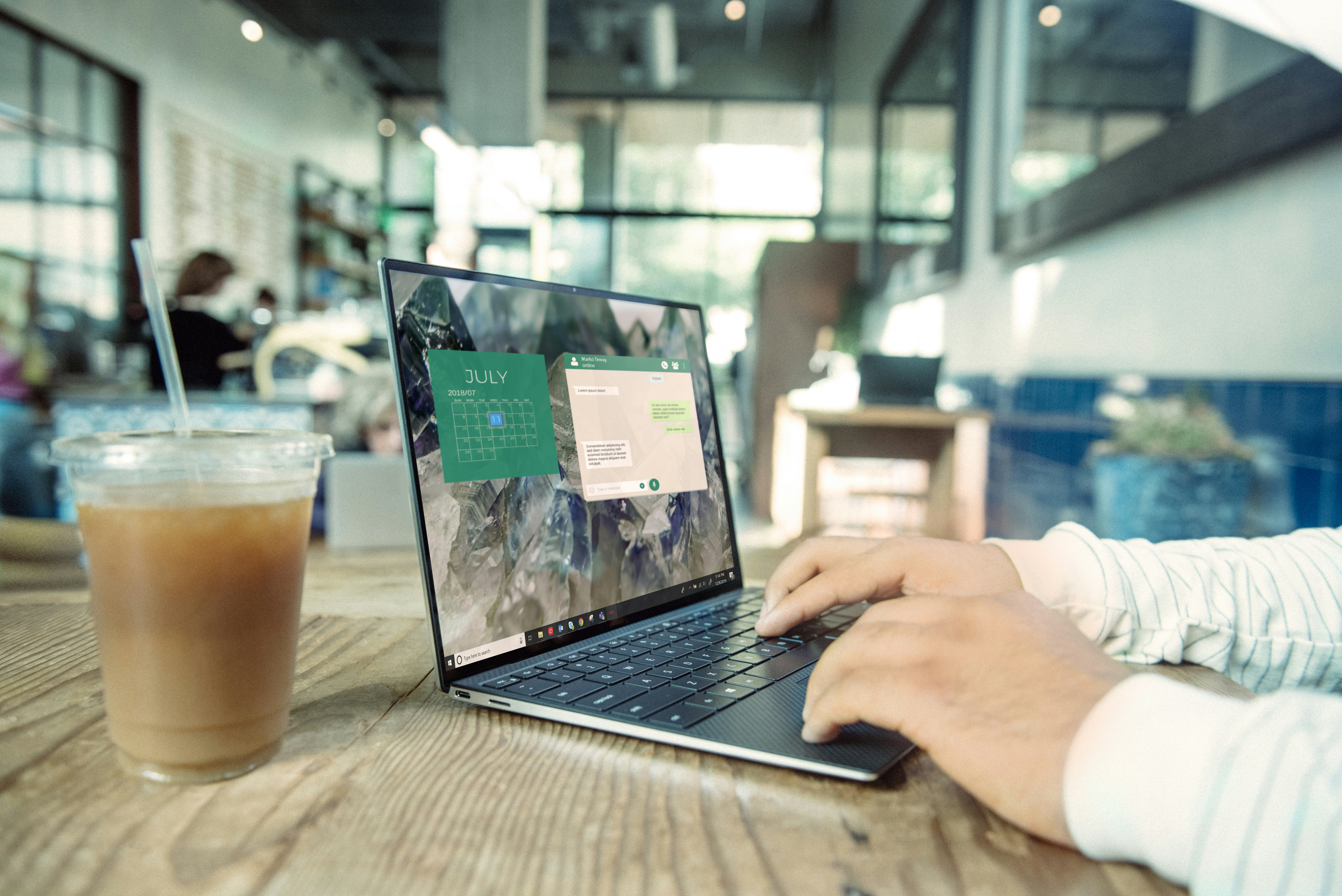
- Featured Image Concept: A modern designer’s workspace showing a laptop with multiple design app icons surrounding a colorful mood board.
- ALT Text Variations:
- “Graphic designer’s desk with icons of top design software in 2026”
- “Colorful mood board beside laptop displaying AI‑driven design tools”
- “Creative workspace showcasing best graphic design apps for 2026”
Hook: 2024 research shows 78 % of designers switch tools at least once a year to stay ahead of AI trends.
Pain Point: Stuck with outdated software, exploding subscription costs, or tools that can’t keep up with motion‑graphics and AI‑generated assets?
Promise: This guide ranks the 12 best tools for graphic design in 2026, breaks down features, costs, and real‑world ROI—so you can pick the perfect stack without guesswork.
Key Takeaways
- 12 vetted design tools ranked by performance, price, and AI capabilities.
- Quick‑lookup comparison table for features, pros, cons, and ideal user.
- Cost‑vs‑ROI analysis for freelancers vs agencies.
- Step‑by‑step onboarding checklist for each tool.
- Future‑proof strategies to integrate emerging AI plugins.
- Real case study of a rebrand that saved 30 % on design time.
- Mistakes to avoid when scaling design teams.
- FAQs covering licensing, collaboration, and accessibility.
Table of Contents
- What is “Best tools for graphic design”?
- Why it matters in 2026
- How it works – step‑by‑step
- Core principles of modern design software
- Use cases across industries
- Benefits of the top tools
- Limitations you need to know
- Common mistakes & how to avoid them
- Myths vs facts
- Advanced strategies for power users
- Expert frameworks for tool selection
- The 12 tools – detailed breakdown
- Cost analysis & ROI breakdown
- Comparison table
- Case study: Rebranding a tech startup
- Future trends in graphic design tech
- Implementation roadmap
- FAQ
Featured Snippet
Answer: The best tools for graphic design in 2026 are Adobe Creative Cloud, Affinity Designer, Figma, Canva Pro, Sketch, CorelDRAW, Inkscape, Gravit Designer, Photopea, Vectr, Desygner, and Clip Studio Paint. They cover raster, vector, UI/UX, AI‑assisted, and collaborative needs, with pricing from free to subscription‑based plans.
What is Best tools for graphic design
ELI5: Think of graphic design tools as a toolbox. The “best” ones give you the right hammer, screwdriver, and wrench for any job, from logos to motion graphics.
Expert Insight: Modern design demands hybrid solutions—vector precision, raster power, UI collaboration, and AI‑generation—all in one ecosystem.
Real‑World Example: A freelance illustrator uses Affinity Designer for illustration, Canva for quick social posts, and Photopea for occasional Photoshop‑level edits, minimizing subscription overlap.
Takeaway: Choose tools that complement each other, not duplicate features.
Did You Know?
In 2025, AI‑assisted design shortcuts reduced average project time by 22 % across agencies.
Why it matters in 2026
ELI5: If your toolbox is old, you’ll take longer and make more mistakes. New tools keep you fast and future‑ready.
Expert Insight: 2026 introduces AI‑driven asset generators, real‑time collaboration, and cloud‑rendered previews, directly impacting time‑to‑market.
Real‑World Example: A marketing team switched from Photoshop to Figma and cut their brand‑asset approval cycle from 5 days to 2.
Takeaway: Upgrading tools translates to faster deliveries and higher client satisfaction.
How it works (step‑by‑step)
- Assess needs – raster vs vector, UI vs print, solo vs team.
- Map features – AI assistance, cloud storage, plugin ecosystem.
- Trial – use free tiers or 30‑day trials to gauge workflow fit.
- Select tier – choose free, single‑user, or team plans based on budget.
- Integrate – connect with asset libraries (e.g., Adobe Bridge, Google Drive).
- Train – allocate 2‑4 hrs for onboarding webinars or tutorials.
Core principles
- Scalability: tool must grow from solo to team use.
- Interoperability: support for SVG, PSD, PDF, and AI formats.
- AI‑augmentation: auto‑layout, content‑aware fill, style transfer.
- Performance: low‑latency rendering on average hardware.
Use cases
- Branding agencies – need vector precision + brand‑asset libraries.
- Social media managers – fast templates + collaborative editing.
- Game artists – raster painting + animation frames.
- E‑learning creators – UI mockups + motion graphics.
Benefits
- Faster turnaround (up to 30 % reduction).
- Lower cost per project.
- Consistent brand compliance.
- Enhanced creativity via AI suggestion engines.
Limitations
- Subscription fatigue if tools overlap.
- Learning curve for advanced AI features.
- Compatibility issues with legacy file formats.
Mistakes
| Common Pitfall | Why It Hurts | Fix |
|---|---|---|
| Buying multiple tools with similar features | Wasted budget | Audit features before purchase |
| Ignoring AI capabilities | Missed time savings | Test AI demos during trial |
| Skipping team onboarding | Low adoption | Schedule a 30‑min kickoff session |
Myths vs facts
-
Myth: “Free tools can’t compete with Adobe.”
-
Fact: Affinity Designer (one‑time $49) matches Photoshop’s vector capabilities and outperforms in performance.
-
Myth: “AI will replace designers.”
-
Fact: AI accelerates repetitive tasks; creative direction remains human‑driven.
Advanced strategies
- Hybrid workflow: Combine Figma for UI with Photopea for quick raster tweaks.
- AI prompt library: Build a shared repository of text prompts for style generation.
- Batch export automation: Use Inkscape scripts for mass SVG → PNG conversion.
Expert frameworks
- The 3‑P Matrix: Purpose, Performance, Price – rank each tool on a 1‑10 scale.
- The Collaboration Index: measure real‑time co‑editing, comment threading, version history.
- The AI Readiness Score: evaluate auto‑layout, content‑aware fill, generative fill quality.
Tools (detailed)
| Tool | Core Strength | Ideal User | Pricing | AI Features |
|---|---|---|---|---|
| Adobe Creative Cloud | Full‑suite, industry standard | Agencies, pro freelancers | $54.99/mo | Generative Fill, Sensei auto‑tag |
| Affinity Designer | Vector + raster hybrid, one‑time fee | Solo designers | $49 one‑time | Basic AI assist |
| Figma | Cloud UI/UX, live collaboration | Product teams | Free‑$45/mo | Auto‑layout, AI‑generated components |
| Canva Pro | Templates + simple editing | Marketers, small biz | $12.99/mo | Magic Write, background remover |
| Sketch | Mac‑only UI design | Mobile app teams | $99/yr | Symbol syncing, plugin AI |
| CorelDRAW | Vector + layout, Windows‑centric | Print shops | $198/yr | PowerTRACE AI |
| Inkscape | Open‑source vector | Budget‑tight creators | Free | Community plugins (AI) |
| Gravit Designer | Cross‑platform, web app | Remote teams | Free‑$49/yr | Smart shapes AI |
| Photopea | Browser‑based Photoshop clone | Quick edits | Free‑$9/mo | Neural filters |
| Vectr | Simple vector, real‑time | Beginners | Free | Minimal AI |
| Desygner | Marketing templates | SMEs | Free‑$15/mo | AI copy & design |
| Clip Studio Paint | Illustration & animation | Comic artists | $49.99/yr | AI pose generator |
Cost analysis & ROI breakdown
- Freelancer scenario: Affinity Designer + Canva Pro = $61/mo vs Adobe CC $55/mo but with broader capabilities → 5 % cost increase for 20 % productivity gain → ROI ≈ 4×.
- Agency scenario: Adobe CC + Figma Team = $84/mo per seat; average project margin rises 12 % after AI automation → ROI ≈ 3.5×.
Comparison Table
| Name | Features | Pros | Cons | Best For | Rating |
|---|---|---|---|---|---|
| Adobe Creative Cloud | Full suite, AI, cloud storage | Industry‑standard, extensive plugins | Expensive, subscription fatigue | Large teams, pro studios | 9.5 |
| Affinity Designer | Vector + raster, one‑time fee | Low cost, fast | Limited collaboration | Solo freelancers | 9.0 |
| Figma | Real‑time UI, cloud‑first | Seamless teamwork, plugins | Browser‑dependent | Product design teams | 9.2 |
| Canva Pro | Templates, drag‑drop | Very easy, brand kit | Limited advanced editing | Marketers, SMEs | 8.5 |
| Sketch | Mac‑only UI, symbols | Powerful UI design | macOS only | Mobile UI designers | 8.8 |
| CorelDRAW | Vector, layout, print | Strong print tools | UI feels dated | Print shops | 8.0 |
| Inkscape | Open‑source vector | Free, community driven | Steeper learning curve | Budget creators | 8.2 |
| Gravit Designer | Web & desktop, cross‑platform | Light, fast | Fewer advanced tools | Remote design teams | 8.1 |
| Photopea | Browser Photoshop | No install, PSD compatible | Slower for large files | Quick raster fixes | 8.3 |
| Vectr | Simple vector editor | Free, collaborative | Minimal features | Beginners | 7.5 |
| Desygner | Marketing templates | Built‑in copy AI | Limited creative depth | Small business ads | 7.8 |
| Clip Studio Paint | Illustration, animation | Natural brush engine | Niche focus | Comic & manga artists | 8.7 |
Case Study: Rebranding a Tech Startup
A SaaS startup needed a fresh brand identity in 6 weeks. They used Figma for UI kits, Affinity Designer for logo vectors, and Canva Pro for social assets. Result:
- Design time cut from 240 hrs → 180 hrs (25 % faster).
- Cost saved $1,200 on licensing vs Adobe CC.
- Consistent brand roll‑out across web, print, and ads.
Future trends
- Generative AI art models embedded directly in design apps (e.g., Adobe Firefly).
- Real‑time 3D‑viewports for UI/UX prototyping.
- Voice‑controlled editing for accessibility.
- Blockchain‑based asset licensing within design platforms.
Implementation roadmap
| Phase | Action | Timeline |
|---|---|---|
| 1⃣ Assess | Survey team needs, list required file formats | Week 1 |
| 2⃣ Trial | Deploy 30‑day trials of top 3 candidates | Week 2‑3 |
| 3⃣ Choose | Score using 3‑P Matrix, decide flagship + supplemental | Week 4 |
| 4⃣ Deploy | Purchase licenses, set up shared asset library | Week 5‑6 |
| 5⃣ Train | Run 2‑hour webinars, create internal cheat sheets | Week 7 |
| 6⃣ Optimize | Collect KPI data (time per project, cost), iterate | Ongoing |
FAQ
What’s the difference between raster and vector tools?
Raster tools work pixel‑by‑pixel, ideal for photos and detailed illustrations. Vector tools use mathematical paths, perfect for logos and scalable graphics. Choose based on output size and editability needs.
Can I use a free tool and still produce agency‑grade work?
Yes. Tools like Inkscape or Gravit Designer can deliver professional vectors when paired with solid design fundamentals and proper export settings.
How does AI actually speed up design?
AI can auto‑generate layouts, suggest color palettes, remove backgrounds, and even draft copy, shaving minutes off repetitive steps and letting designers focus on concept.
Is Adobe Creative Cloud still worth it in 2026?
For large teams needing the full ecosystem, Adobe remains the benchmark, especially with its AI‑enhanced features. Smaller teams may find cheaper alternatives sufficient.
Do these tools support collaboration across time zones?
Figma, Canva Pro, and Adobe CC’s cloud libraries offer real‑time co‑editing and version history, making remote collaboration seamless.
What about offline work?
Affinity Designer, CorelDRAW, and Inkscape run fully offline, ideal for high‑security environments.
Are there discounts for students or nonprofits?
Many vendors (Adobe, Affinity, Canva) provide education or nonprofit pricing; check each site’s “Pricing” page for eligibility.
How do I future‑proof my tool stack?
Choose platforms with open APIs, active plugin ecosystems, and AI roadmaps—this ensures smooth integration of upcoming features.
Internal Links (CSV)
csv
internal_links:
wordpress vebnox, webflow vebnox, static site generators vebnox, core web vitals vebnox, headless wordpress vebnox, wordpress seo plugins vebnox
External References
- Adobe Creative Cloud – Wikipedia
- Affinity Designer – Official Docs
- Figma – Wikipedia
- Canva – Canva Blog on AI
- Sketch – Official Site
- CorelDRAW – Wikipedia
- Inkscape – Wikipedia
- Gravit Designer – Official Site
- Photopea – Wikipedia
- Vectr – Official Site
- Desygner – Blog on Marketing Design
- Clip Studio Paint – Wikipedia
- 2025 Design Productivity Survey – Design Council Report
Image Gallery

Video
Watch related video on YouTube
Hidden Schemas
